President Trump reiterated plans to issue a tariff dividend to middle‑income Americans, saying tariff revenues could fund payments and help reduce national debt; the administration suggested checks could arrive in 2026 as part of a broader economic pitch ahead of next year’s elections. . The announcement revived debate over how tariff receipts are allocated and whether a targeted dividend would withstand legal and budgetary scrutiny. Lawmakers and budget analysts signaled they will press the White House for details on eligibility, timing, and fiscal offsets, while advocacy groups weighed the political and economic implications.
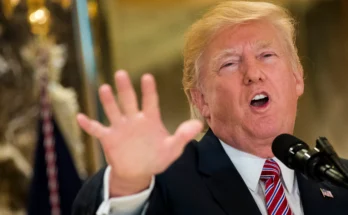
Separately, the President made stark public remarks linking countries he accuses of producing drugs destined for the U.S. to potential military action, naming Venezuela and raising concerns about broader regional escalation. His comments, delivered during a White House session, suggested land strikes could expand beyond maritime operations, prompting immediate questions from foreign governments and defense experts about rules of engagement, intelligence backing, and diplomatic fallout.
The administration’s rhetoric coincided with reports of recent U.S. military operations targeting suspected drug‑smuggling routes; those operations have drawn scrutiny over civilian harm and legal authority, and officials on Capitol Hill signaled they will seek briefings and documents to assess compliance with international law and oversight protocols. Observers noted that public statements about expanding strikes heighten the need for transparent legal justification and interagency coordination.
On immigration, the White House framed new restrictions and pauses on certain application processes as national‑security measures tied to the drug‑flow narrative, though details remain limited and advocates warned of broad humanitarian and diplomatic consequences. Administration spokespeople said policy shifts aim to protect borders and disrupt criminal networks, while critics argued the moves risk penalizing lawful applicants and straining relations with partner countries.
Markets reacted modestly to the tariff‑dividend news and security rhetoric, with investors parsing the fiscal and geopolitical signals. Analysts cautioned that uncertainty about implementation timelines and legal challenges could temper any immediate economic boost from proposed dividend payments, while defense‑related escalation risks could affect regional trade and investor confidence.
Capitol Hill and international partners are expected to press for briefings this week as advocacy groups, foreign governments, and watchdogs seek clarity on the legal basis for military actions and the mechanics of any tariff dividend program. Officials said they will provide documents and testimony as inquiries proceed, and stakeholders on both sides signaled readiness to litigate or legislate depending on forthcoming disclosures.