My birth mom passed away when I was far too young to retain any real memory of her, so I didn’t actually know what it felt like to have a mother until my stepmom, who was truly special, arrived when I was eight. She married my dad after dating for several years, and right from the beginning, her approach toward me was consistently kind, gentle, and patient. She never pressured me or forced any kind of immediate maternal bond, but she just showed up in small, incredibly consistent ways that built trust. Slowly, over many years, she evolved from a stepmom into a person I deeply trusted and depended on—she was genuinely a parent to me.
Before she married my father, she had already raised two older children from a previous relationship. Initially, our interactions were polite but remained somewhat distant. We weren’t close at all, though we did see each other occasionally during major holidays and certain family events. However, somewhere along the complex path of adulthood, the relationship between her children and their mother deteriorated sharply. There were deep disagreements, built-up resentment, and unresolved anger brewing long before I ever came into the picture. I just happened to be present when that distance officially calcified and became permanent.
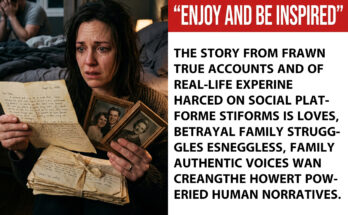
By the time I reached my teenage years, her two children had established families and lives of their own, and contact with their mother dwindled significantly. Their phone calls became less frequent, their messages virtually stopped, and eventually, the communication vanished entirely. Years slipped by without visits, conversations, or even basic updates. When my stepmom later began exhibiting the devastating symptoms of Alzheimer’s, I reached out to her children right away, but they dismissed my concerns and adamantly refused to offer any help or support. My dad and I were left entirely alone to manage everything: the non-stop appointments, the exhausting caregiving, the disruption of daily routines, and the immense emotional toll of watching someone so dear slowly forget the life they had built.
Eventually, she passed away after six long years of declining health. It was utterly heartbreaking to lose her, but there was also a profound sense of relief knowing that her suffering had finally ended. Just a few days later, we met with her lawyer to settle her affairs. That was when I was told that she had intentionally left her entire estate—her house, her savings, and all her personal belongings—to me. I had never asked for or expected any of it, but in that moment, knowing everything we had been through, I completely understood why she made that final decision, honoring the deep, active relationship we shared.
At her funeral, for the first time in years, her children appeared. They didn’t seem sorrowful or emotional; instead, they looked impatient and distinctly calculated. It took very little time for them to pull me aside and immediately begin questioning me about the details of the estate. I told them simply that everything was being handled legally and that they should direct any further questions directly to the lawyer. Her son, however, said point-blank, “We heard you got everything. You need to hand over our share.” I reminded him calmly that I did not write the will and that this was entirely her decision. His sister then stepped closer to me and repeated the demand, this time layering it with a clear threat. She said, “You can give us the money now, or we’ll fight you for it. Either way, we’re not walking away without what’s rightfully ours.”
A few days following that confrontation, I received official notice: they are taking me to court, baselessly claiming that I manipulated their frail mother and asserting that they are the rightful, legal heirs. My lawyer is confident, assuring me that I have nothing to worry about and that their case is baseless. Still, I can’t help feeling immensely conflicted and burdened by this fight. I loved her deeply, and my care for her was freely given because I wanted to be there, not because of what she might eventually own. Now, I am left questioning: am I wrong for accepting this inheritance, her final gift to me? Should I give her children what they demand, simply because they are her biological family, despite abandoning her in her greatest time of need?