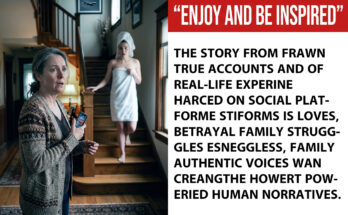
I never imagined I would be forced to choose between my children, but that’s what five months of having Kyra and Mattie back home had felt like. At forty-five, I was balancing work, bills, and Jacob, my sweet seven-year-old son, who was still deeply grieving the loss of his father, William. My daughters, now in their twenties, had moved back after their father—my first husband—cut them off. He had spent years poisoning them against William and me, and though they were polite, I could see the coldness in their eyes, and an unmistakable relief when William succumbed to cancer. The girls, products of a difficult divorce, resented Jacob, seeing him as a symbol of the life they believed I had stolen.
Living under one roof again was difficult. My adult daughters had immediately reverted to the messy, self-centered patterns of teenagers. They slept until noon and spent hours glued to their phones while I tried to keep our household running. I never asked them for rent or money for groceries; my only request was simple: be kind, and at least acknowledge their little brother’s existence. But they couldn’t muster genuine warmth. When Jacob tried to share his drawings or talk about his day, they would offer tight smiles and quickly find excuses to leave the room. It was devastating to watch my sensitive son try so hard, only to be met with indifference and subtle cruelty.
Two days ago, everything came crashing down when Jacob woke up with a high fever, pale and shaky. I had just settled him on the couch when a critical work emergency erupted. My boss stressed that losing this client could mean layoffs, and I couldn’t afford to lose my job, especially with two unemployed daughters under my roof. Seeing Kyra scrolling and Mattie reading, I made a difficult decision. “I need you two to watch Jacob for a couple of hours,” I explained. “He’s sick and just needs someone to check on him.” They casually agreed. I kissed Jacob’s forehead, trusting them to stay nearby, though my stomach churned with guilt as I rushed out the door.
An hour later, my phone buzzed with a text from Jacob: “Mom, can you come home, please?” My heart seized. I called, but he didn’t answer. Another text followed: “I threw up again and I called for Kyra and Mattie but nobody came.” Panic clawed at my chest. I rushed out of the client meeting, driving home faster than I should have, my mind screaming with horrible possibilities—what if he choked, what if he fell? I burst through the front door, shouting his name, finding him upstairs on the floor, shaking, with vomit on his clothes and tears on his face. “I called for them,” he whispered. “I called and called… but they did not come.”
After getting Jacob clean and settled back into bed, a cold, intense rage took over. I found Kyra relaxing in the backyard and Mattie in the kitchen. “Where the hell were you?” I demanded. They claimed they didn’t hear him, citing loud appliances and being downstairs. But their defensive, casual demeanor felt wrong. I demanded to see their phones. Reluctantly, they handed them over. On both phones were Jacob’s panicked texts—”Kyra I threw up. Can you please help me?”—messages that were clearly marked as read, with absolutely no response. They had deliberately ignored him.
I stared at them, my hands trembling, realizing the depth of their spite. “You read his messages. You knew he needed help. And you did nothing.” When Mattie called me dramatic, I laid out the heartbreaking truth: “You deliberately ignored your little brother when he needed you most because you cannot let go of your resentment for his father long enough to show basic human decency to a child.” They apologized half-heartedly, but the damage was done. “Sorry does not cut it,” I told them. They were pathetic. Jacob deserved better than two sisters who, despite everything I gave them, were incapable of basic human kindness.